
What is Resin Bound Surfacing?
Resin bound surfacing is a type of surfacing method commonly used for driveways, pathways, patios, and other outdoor areas. It combines clear resin with aggregates (like stones, gravel, and sometimes recycled materials) to create a smooth, durable, and attractive surface.
In terms of how its made, you combine high-quality, clear resin with aggregates. This mixture is evenly applied over a solid base like concrete or asphalt, ensuring each stone is coated for a consistent finish. Aesthetically appealing, it offers a range of colours and textures, resulting in a smooth, visually pleasing surface suitable for various architectural styles. This type of surfacing is not only durable, able to withstand weather and vehicular traffic, but also low maintenance, requiring just basic cleaning to maintain its appearance.
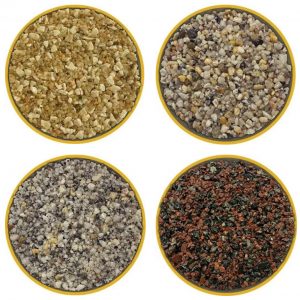
Bound resin, specifically in the context of resin bound driveways, is known for its durability and longevity. Typically, a well-installed and properly maintained resin bound driveway can last for about 15 to 25 years. This lifespan can be influenced by several factors:
- Quality of Materials: The lifespan of a bound resin surface is significantly affected by the quality of the resin and aggregates used. Higher quality materials tend to last longer and withstand wear and tear better.
- Professional Installation: Proper installation by experienced professionals is crucial. This ensures that the resin is correctly mixed and applied, and the aggregate is evenly distributed, which can greatly extend the lifespan of the driveway.
- Usage: The amount and type of traffic on the driveway can impact its longevity. Driveways with heavy vehicle traffic or those used for commercial purposes may experience quicker degradation.
- Maintenance: While resin bound driveways are low maintenance, regular care can extend their life. This includes basic cleaning, removing organic debris, and occasional power washing to prevent the buildup of dirt and prevent moss or weed growth.
- Weather Conditions: Exposure to extreme weather conditions, including harsh sunlight, heavy rain, and freezing temperatures, can affect the durability of a resin bound driveway. However, high-quality resin is typically UV-stable and resistant to a range of weather conditions.
How Long Does Resin Bonded Last?
Resin bonded driveways, which are different from resin bound driveways in their method of application and structure, also have a notable lifespan but tend to last slightly less long than their bound counterparts. Typically, a well-installed and properly maintained resin bonded driveway can last for about 5 to 15 years. This variation in lifespan is influenced by several key factors:
- Quality of Materials: The durability of a resin bonded surface is largely dependent on the quality of the resin and aggregate used. Higher-grade materials usually ensure a longer lifespan.
- Installation Quality: The method of installation plays a critical role. Resin bonded surfaces involve applying a layer of resin to the driveway and then scattering loose aggregate on top. Proper application by skilled professionals is essential for longevity.
- Type and Frequency of Use: The longevity of a resin bonded driveway is affected by the amount and type of traffic it endures. Surfaces that bear heavy or frequent vehicle traffic might degrade faster than those with lighter usage.
- Maintenance: Resin bonded driveways require some maintenance, including regular cleaning and removing debris. Neglecting maintenance can lead to a reduction in the lifespan of the driveway.
- Environmental Factors: Exposure to extreme weather conditions, like intense UV radiation, heavy rain, and freezing temperatures, can impact the durability of resin bonded driveways. The resin used in this type of driveway is not always UV-stable, which can lead to fading and deterioration over time.

When comparing the costs of resin bound and resin bonded surfacing, several factors come into play, including the materials used, the area size, and the complexity of the installation process. Here’s a breakdown of how these costs typically compare:
- Resin Bound Surfacing Costs:
- Materials: The cost of resin bound surfacing is generally higher due to the use of more resin and high-quality aggregates.
- Installation: Requires skilled labor as the resin and aggregate must be thoroughly mixed before application, and the process is more labor-intensive.
- Overall Cost: On average, resin bound surfacing tends to be more expensive per square meter compared to resin bonded surfacing. The exact cost can vary widely depending on the specifics of the project, such as the area size, type of aggregate chosen, and any additional preparation work required.
- Resin Bonded Surfacing Costs:
- Materials: Resin bonded surfacing usually costs less in terms of materials, as it requires less resin.
- Installation: The process is quicker and less labor-intensive as the aggregate is simply scattered over the resin. This reduces labor costs.
- Overall Cost: Generally, resin bonded surfacing is more cost-effective per square meter. However, costs can vary based on factors like the type of resin and aggregate, and the condition of the existing surface.
- Additional Cost Considerations:
- Base Preparation: For both types, the existing surface may need to be prepared or repaired, which can add to the cost.
- Size and Complexity: Larger or more complex areas will naturally cost more. Intricate designs or patterns can also increase the price.
- Location: Costs can vary depending on your geographical location and the availability of materials and skilled labor.
Get an exact quote for your resin driveway or other project from our expert contractors.
Is Bound Resin Permeable?
Unlike the cheaper but more cost-effective bonded resin surface, bound resin is permeable. This permeability is one of the key characteristics and selling pointsn of resin bound surfacing. In resin bound systems, the aggregate and resin are mixed together before application, ensuring that gaps are left between the stones after the surface has set. These gaps allow water to pass through the surface, making it permeable.
Bonded resin, where the resin is poured over the top, leaves a more smooth surface with much less permeability and so can be more prone to water pooling.
Benefits of Resin Driveways
Resin driveways, incorporating both resin bound and resin bonded systems, offer several benefits that make them a popular choice for homeowners and commercial properties alike. Here are some of the key advantages:
- Attractive Appearance: Resin driveways come in a wide range of colours and textures, allowing for customisation to suit different architectural styles and personal preferences. Their smooth finish (in the case of resin bound) and natural stone appearance can significantly enhance the curb appeal of a property.
- Durability: These driveways are known for their strength and long-lasting nature. They are capable of withstanding heavy traffic and are resistant to wear and tear, making them a practical choice for both residential and commercial use.
- Permeability (Resin Bound): Resin bound driveways are permeable, allowing water to drain through the surface. This helps prevent standing water and flooding, making them environmentally friendly and compliant with Sustainable Urban Drainage Systems (SUDS) regulations.
- Low Maintenance: Resin driveways are relatively easy to maintain. They don’t require regular resealing or resurfacing, and are resistant to weeds. Simple cleaning with water and a stiff brush is often enough to keep them looking good.
- Puddle-Free and Quick Drying: Due to their permeability, resin bound driveways allow water to drain away quickly, reducing the formation of puddles. This quick drying nature can be particularly beneficial in wet climates.
- UV Stability (Resin Bound): High-quality resin bound driveways are UV stable, which means they won’t fade or discolour over time due to sun exposure.
- Versatility: Resin driveways can be applied over existing surfaces such as concrete or tarmac, making them a versatile option for renovation projects.
- Slip Resistance: Both resin bound and resin bonded driveways offer good slip resistance, which is a critical safety feature, especially in areas that experience rain or snow.
- Customisable Design: Resin driveways can be customised with patterns, borders, and even logos, offering unique design possibilities for a personalised touch.
Drawbacks of Resin Driveways
While resin driveways offer numerous benefits, there are also some drawbacks to consider. Understanding these limitations is crucial for homeowners and property developers when deciding if a resin driveway is the right choice for their needs:
- Initial Cost: One of the main drawbacks of resin driveways is their initial installation cost. Generally, resin driveways, especially resin bound types, are more expensive upfront compared to traditional materials like tar and chip or tarmac.
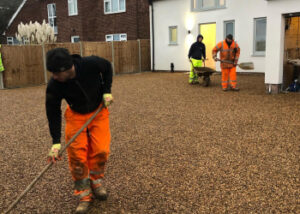
- Professional Installation Required: To ensure longevity and optimal performance, resin driveways need to be installed by experienced professionals. This requirement for skilled labor can add to the overall cost and complexity of the installation process.
- Risk of Poor Quality Installation: If not installed correctly, resin driveways can suffer from issues such as uneven surfaces, cracks, and loose stones. This risk underscores the importance of hiring a reputable and experienced installer.
- Maintenance Requirements: Although generally low maintenance, resin driveways still require some upkeep. They can be prone to staining from oil and other substances, and the surface can be damaged by sharp objects.
- Not Suitable for All Base Types: Resin driveways require a solid, stable base, such as existing concrete or tarmac. If the existing base is not suitable, additional preparation work will be necessary, adding to the cost and time required for the project.
- Longevity Concerns with Heavy Traffic: While durable, resin driveways may not last as long under heavy vehicle traffic or in commercial settings compared to some traditional materials.
In summary, while resin driveways are aesthetically pleasing and offer several practical benefits, considerations such as cost, installation requirements, maintenance, and suitability for specific conditions should be carefully evaluated before proceeding with installation.
Conclusion: Are Resin Driveways Worth It?
Resin driveways are worth considering for those seeking a balance between aesthetic appeal, functionality, and environmental friendliness. Their wide range of customisable colours and textures enhance the aesthetics of your house facade, while the durability and low maintenance requirements offer practical long-term benefits. Particularly, resin bound driveways provide eco-friendly advantages with their permeable nature, aiding in water management and SUDS compliance. However, the higher initial installation costs and the need for professional installation are important considerations. If these factors align with your priorities and budget, a resin driveway can be a valuable investment for both residential and commercial properties.